

Thinking about setting up a pop-up kiosk in Australia? If so, it often comes down to seven stages: choosing a site, getting approvals, setting a budget and timeline, designing and building the shopfront, installing it, trading, and then dismantling and storing it. Each stage depends on the one before it, and the order matters a lot.
At ProEx Displays, we design, build, install and dismantle pop-up kiosks across Australia, and we’ve covered the practical side of each stage for clients across the country.
In this guide, we’ll walk you through all seven, including what to sort out early so the shop opens on time and comes down without fuss.
1. Choosing the Site
When choosing a site for your pop-up kiosk, make sure your location matches your target audience. Know where your target age group and gender shop. Don’t always choose the busiest location, as you might just get a lot of people walking past and ignoring you.
Target demographics outweigh raw crowd numbers. You can’t count on sheer numbers to bring in the right visitors, because most of them won’t be potential customers anyway. It is better to have ten people who will buy than a hundred who are just curious. A spot at an intersection might make you more visible, but if you don’t have anyone to serve all those potential customers, you’re missing out on opportunities.
- Shopping Centres: High foot traffic and ready buyers; suits fashion and food, but requires approval and insurance.
- High Streets: Premium destination shopping in spots like Chapel Street or Oxford Street.
- Brand Activation Sites: Ideal for experiential marketing and sampling.
- Vacant Retail Stores and Council Programs: Custom spaces via local council empty shopfront initiatives.
- Temporary Markets and Events: Low-risk testing grounds for online brands.

Your chosen location needs to be visible to the passers-by. It’s not good to squirrel yourself away in a corner because you will be harder to spot. And the layout of your pop-up stand needs to reflect your location. If you’re in the middle of an area, have a screened-off rear section, perhaps, where you can rest, or where you can store extra stock.
If you need displays and touchscreens, make sure all your infrastructure is up and running before you begin. Test it and have backup power and internet ready.
Also account for insurance, permits and safety requirements for your fixtures.
2. Getting Approvals
You need different kinds of approvals depending on where your pop-up kiosk will be located.
Shopping Centres will require landlord and/or centre management approval. They will tell you where you can set up, and set the operating hours, insurance requirements and other guidelines. They may want to see layout diagrams and safety measures before granting you approval.
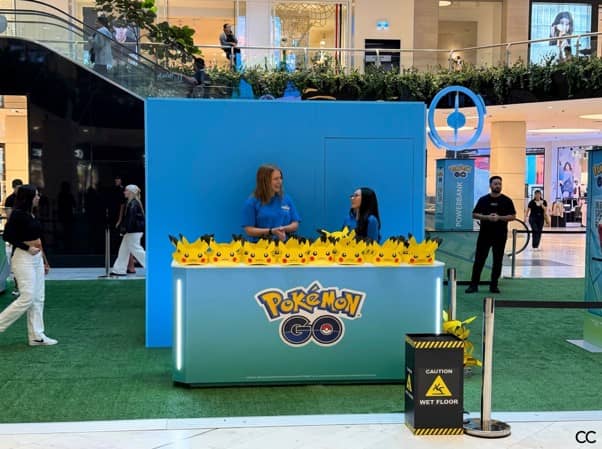
Street fronts and vacant shops usually need a short-term licence agreement with the property owner. Short-term agreements of under six months may not need a lease. The agreement should outline utilities, rent and restoration.
You would also need to check with the local council whether the building has existing retail use rights. If you plan to alter the exterior appearance, you may need council or heritage approval.
Public spaces and events require a council or event permit. You usually set up on a footpath or in a public space, so you would apply for a temporary activation permit.
Whichever type of site you choose, you will need insurance, typically public liability insurance. If you’re selling food or alcohol, you need to comply with local health standards and food safety obligations. Alcohol sales need a casual liquor licence, and there can be restrictions on where you can sell alcohol.
3. Budget and Timeline
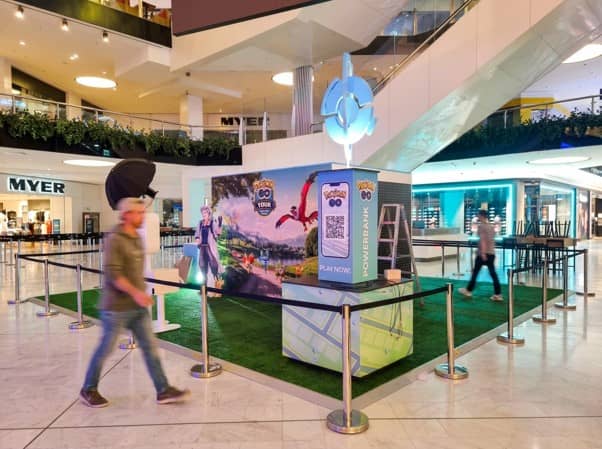
Costs for a pop-up in Australia can vary depending on whether you choose a flea market or a central shopping centre with loads of Christmas shopping foot traffic. Regardless of where you set up, you should look at a timeline of around 12 weeks from concept to execution and bump-out.
Let’s look at your potential budget first:
- Venue and Space Fees: Small stalls or short weekend markets can start in the low hundreds to low thousands for the weekend, while casual leasing in a major shopping centre typically starts in the low thousands per week; that scales up significantly for high-traffic or premium spots.
- Fit-Out and Equipment: Displays, shelving, lighting, signage, and counters can either be hired or custom-built for different pricing.
- Operations and Tech: POS hardware and software (such as Square), internet and EFTPOS connectivity, and public liability insurance all need to be considered.
- Staffing and Freight: Wages for on-site staff plus transport and delivery of stock and display units.
- Marketing and Permits: Local council permits, promotional signage, and digital ad campaigns to drive foot traffic.
- Contingency: Always set aside a buffer for unexpected setup or electrical requirements.
We suggest beginning all of your planning at least 12 weeks out from launch.
12 Weeks Out: Strategy and Sourcing
Start by defining your core goal, whether that’s launching a product, clearing stock or testing whether a bricks-and-mortar store could work for your business. Once you know what you’re aiming for, set your total budget and forecast how much inventory you’ll need. Then research and secure your venue through platforms like PopHub, Spacely or casual leasing portals.
8 Weeks Out: Design and Quote
Finalise your layout, branding and hero displays, and review the 3D visualisations from your builder. Then approve the quote and confirm your order. The build takes around five weeks, so confirming now leaves a buffer before opening day.
6 Weeks Out: Permits and Bookings
With your build underway, apply for any council or shopping centre permits and lock in public liability insurance. Book any equipment hire, furniture or signage your builder isn’t supplying.
1 Week Out: Operations and Marketing
Do a site inspection to measure power points, check loading docks and test the internet and mobile signal. Train your staff on the POS system, customer engagement and safety. Then launch your local marketing, including social media countdowns, email newsletters and printed posters.
4. Design and Build
Designing and building your pop-up kiosk an be a lot of fun, but as mentioned above, make sure you stick to your budget.
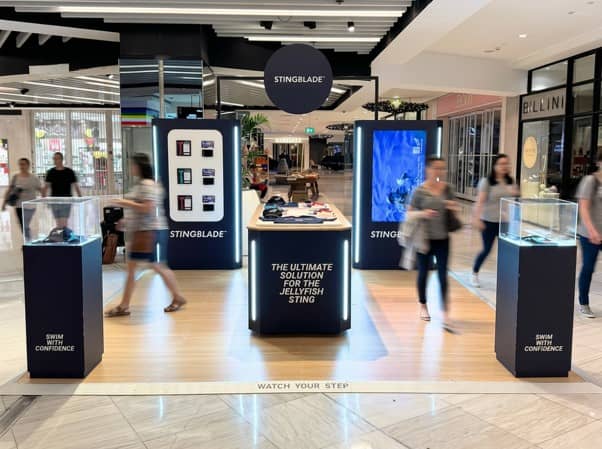
The first step is the concept and 3D visualisations. This is where we translate your brand identity into a three-dimensional space, with hero visuals, integrated lighting, signage and IT elements. We can render the floor plans for your approval, then get down to building your pop-up kiosk .
Next comes compliance and approvals. Temporary spaces in shopping centres, on high streets or at public events usually need a short-term licence agreement, and venue compliance documentation.
Finally, choose how the build will be made. Modular, freestanding display systems, such as flat-pack setups, are quick and easy to reuse. Custom-built joinery and kiosks, made in a local workshop, give you a more tailored result. Our standard lead time is five weeks from order confirmation, and we can often work to tighter deadlines.
5. Installation
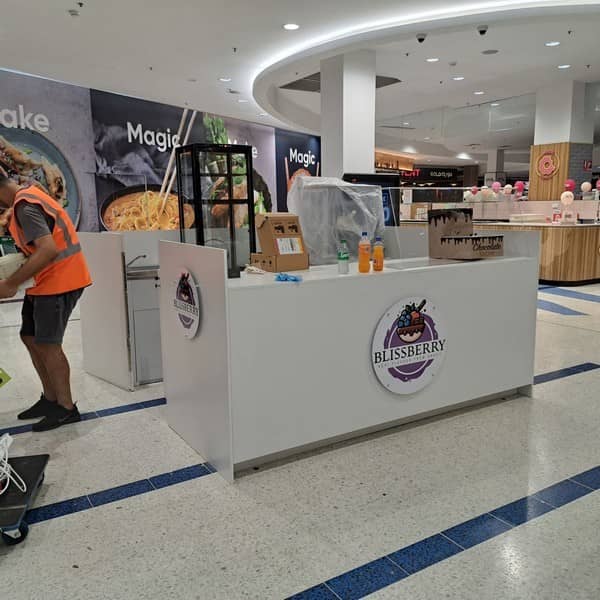
Our installation team travels across Australia to set up your pop-up, whether it’s in a shopping centre, Westfield, a convention centre or a busy retail precinct. The build leaves our workshop and goes up on site without you needing to manage the process. We coordinate with venue management and handle the technical requirements, so your store is ready for opening day.
Our standard lead time is five weeks from order confirmation, though we can often work to tighter deadlines. Centres commonly require setup and pack-down outside trading hours, so we plan installation around that. After installation, we’re available for any adjustments you need.
6. Trading Days
Staffing the Floor
Plan for three roles: someone greeting customers and explaining products, someone on the till managing queues, and someone handling stock so displays are never left bare. Roster around your busiest trading windows rather than the quiet ones, and never leave the floor uncovered when someone steps away.
Wages and Employment
A pop-up doesn’t change your obligations as an employer. Staff are covered by the National Employment Standards and must be paid at least the rate in the relevant modern award, which varies with age, industry and duties. You can use existing staff from another store or hire temporary workers for the run. The Fair Work Ombudsman has the current award rates.
Peak Periods and Public Holidays
Most pop-ups aim for the biggest shopping periods: Black Friday, the weeks before Christmas, Boxing Day, school holidays, and Mother’s and Father’s Day. Work back 12 weeks from your opening date, which means starting in early September for a late-November or December launch.
Public holiday trading rules vary by state. Many shops must close on days like Good Friday, Anzac Day and Christmas Day, and some states also restrict Easter Sunday or Boxing Day. Check your state’s rules before locking in dates, and allow for penalty rates if your staff work on a public holiday.
7. Dismantling and Storage
When your activation ends, we dismantle the pop-up and remove it from the venue. We work with venue management throughout, so the bump-out runs to the centre’s requirements. Centres often expect the site to be returned to its original condition, so plan this before you open.
We can then pack, store and transport your pop-up through our display storage solutions. Components are packed carefully, stored securely, maintained routinely and transported to your next venue when you need them. Our modular designs also go up and come down quickly, and many clients reuse them across multiple locations, so you don’t have to find space or manage the logistics yourself.
If you’re trading around Christmas, that means your pop-up is ready to go again for the next peak period, whether that’s Mother’s Day or Black Friday, without a full rebuild.
Planning Your Pop-Up With ProEx Displays
A successful pop-up comes down to starting early and getting the order of the stages right. Work back 12 weeks from your opening date, confirm your design and build around eight weeks out, and plan your trading dates around peaks like Black Friday and Christmas.
At ProEx Displays, we design, build, install and dismantle pop-up stalls across Australia, alongside trade show displays and custom exhibition stands, so we’ve covered the practical side of each stage. Get in touch or call 0417 407 015 to talk through your pop-up.
The ProEx Displays Team
ProEx Displays designs, builds and installs custom exhibition stands, retail fitouts, point of sale displays, commercial showrooms and custom joinery. The team works as a direct builder, handling design, production, installation and freight or storage in-house rather than outsourcing those stages. Founded in 2022 by co-founders Kurt and Steve, who lead project management and production management, the team includes qualified joiners and cabinet makers alongside specialists in exhibition stand design and construction, retail fitout and commercial showroom installation. Projects have been delivered for clients including EHP Labs, Stryker, Sutton Tools and Astris PME. ProEx Displays works from a head office in Miranda, New South Wales, and delivers Australia-wide.